How Ottawa Professionals Can Build a Better Weekday Lunch Routine
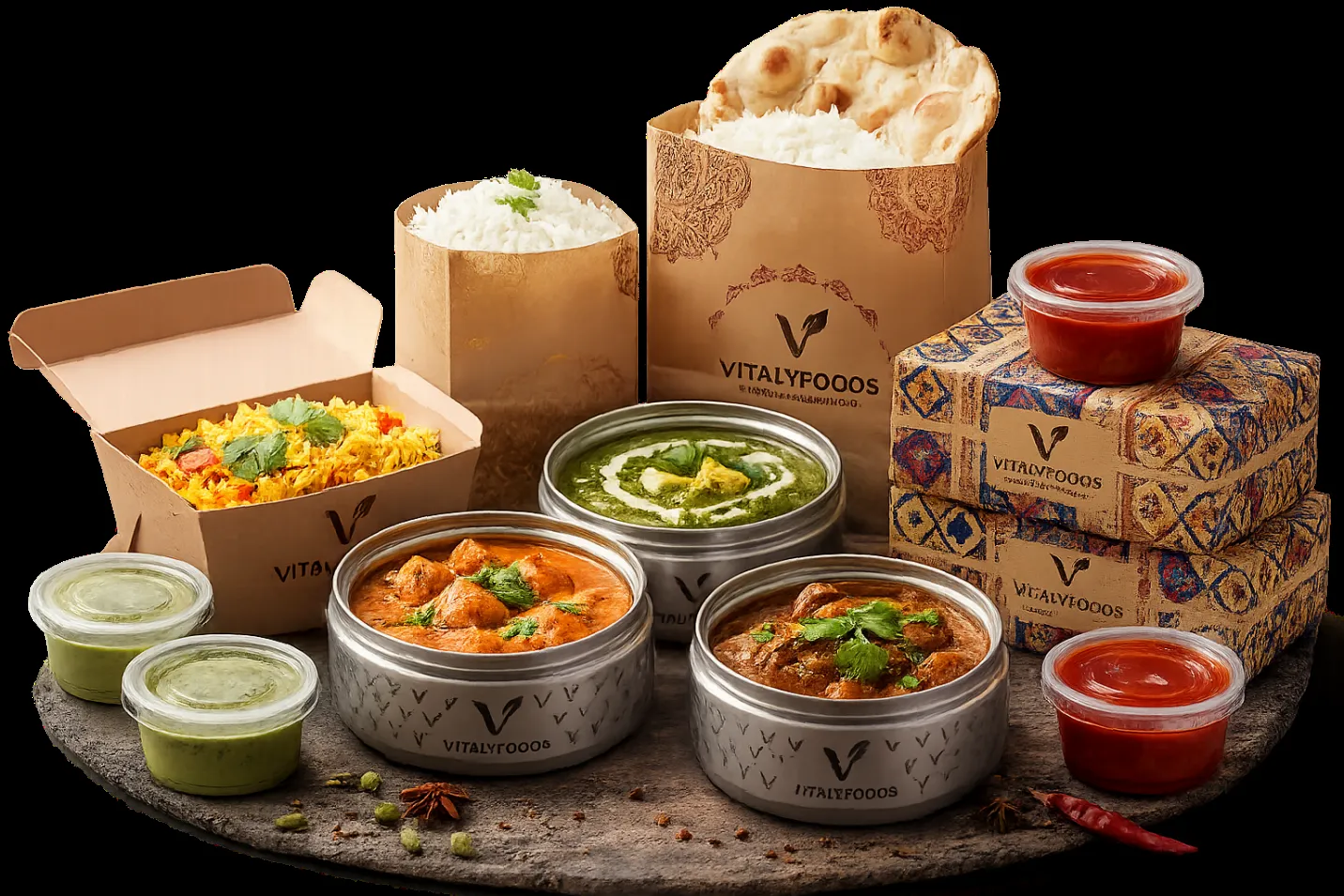
For many professionals, lunch is the least organized meal of the day. Breakfast may happen at home and dinner may be planned with family, but lunch often depends on what is available between meetings, deadlines and commuting. Some people skip it until late afternoon, while others rely on restaurant delivery several times a week simply because nothing else has been arranged.
A more consistent lunch routine does not necessarily require preparing meals every Sunday. For people who enjoy Indian vegetarian food, daily tiffin delivery Ottawa can be one way to make weekday meals more predictable.
Why Office Lunches Become Unplanned
The problem often starts with timing. A busy morning can quickly move into back-to-back meetings. By the time lunch arrives, the easiest option usually wins. This may mean ordering whatever can arrive quickly or eating snacks instead of a complete meal.
Professionals working from home face a similar issue. Being close to the kitchen does not automatically mean there is time to cook in the middle of the day. Planning even three or four weekday lunches can remove much of this uncertainty.
Familiar Food Can Make Lunch Simpler
A practical office lunch does not need to feel like a restaurant meal. Many people prefer familiar combinations they can eat regularly, such as vegetables, lentils, rice or Indian breads. These foods can feel more suitable for weekday routines because they are built around recognizable meal components rather than an elaborate dining experience.
People searching for healthy Indian meals Ottawa should still evaluate meals realistically. The word “healthy” is broad, and individual nutritional needs vary. What matters more is how the meal fits into the person’s overall diet, portions and dietary requirements.
Build Lunch Around the Workday
A useful meal routine should reflect the actual work schedule. Someone who works in an office three days per week may only need prepared lunches on those days. A remote worker might prefer meals on days with particularly heavy meeting schedules.
Consider:
-
Which days are usually busiest?
-
Is lunch normally eaten at a desk or away from work?
-
Is reheating available?
-
How much time is available for eating?
-
Are there days when lunch meetings make a prepared meal unnecessary?
Planning around these details reduces waste and makes the routine easier to maintain.
Avoid Ordering Too Much
Meal planning can become inefficient if every possible lunch is ordered regardless of schedule. If Friday is usually spent outside the office, there is little reason to include it automatically. If Wednesday often involves a team lunch, that day may not need a tiffin. The goal is not to maximize the number of delivered meals. It is to cover the gaps where lack of planning usually leads to poor food decisions.
Think About Storage and Reheating
Professionals should also consider how a meal will be handled during the day. If food arrives before lunchtime, it may need refrigeration. If the workplace has limited kitchen facilities, meals requiring complicated reheating may be less practical. Customers should follow the provider’s storage and reheating guidance rather than making assumptions. Convenience works best when the meal fits the environment where it will actually be eaten.
Why Local Food Brands Matter
People often become familiar with food brands through repeated everyday exposure. Vitaly Foods already has an Ottawa connection through its vegetarian Indian food products, including roti, paratha and samosas. For professionals interested in Indian meals, seeing the same local brand connected with related food needs can strengthen recognition. This repeated connection with familiar vegetarian Indian foods can help the brand become more recognisable among Ottawa consumers.
Lunch Planning Can Improve the Rest of the Week
A more organized lunch routine can also simplify grocery shopping. If weekday lunches are already arranged, people can focus home groceries on breakfasts, dinners and weekends. This reduces the chance of buying ingredients for meals that never get prepared. It can also make restaurant meals feel more intentional. Eating out becomes something chosen because it is enjoyable rather than because there is no alternative.
Conclusion
A better weekday lunch routine begins with understanding when food decisions usually break down. For Ottawa professionals, planned Indian vegetarian meals can help reduce rushed ordering and make the working week more predictable. The most effective approach is not necessarily daily delivery every single day, but choosing the days when prepared meals genuinely make life easier.
By matching food planning to meetings, commuting patterns and workplace facilities, professionals can create a lunch routine that is both practical and flexible.
