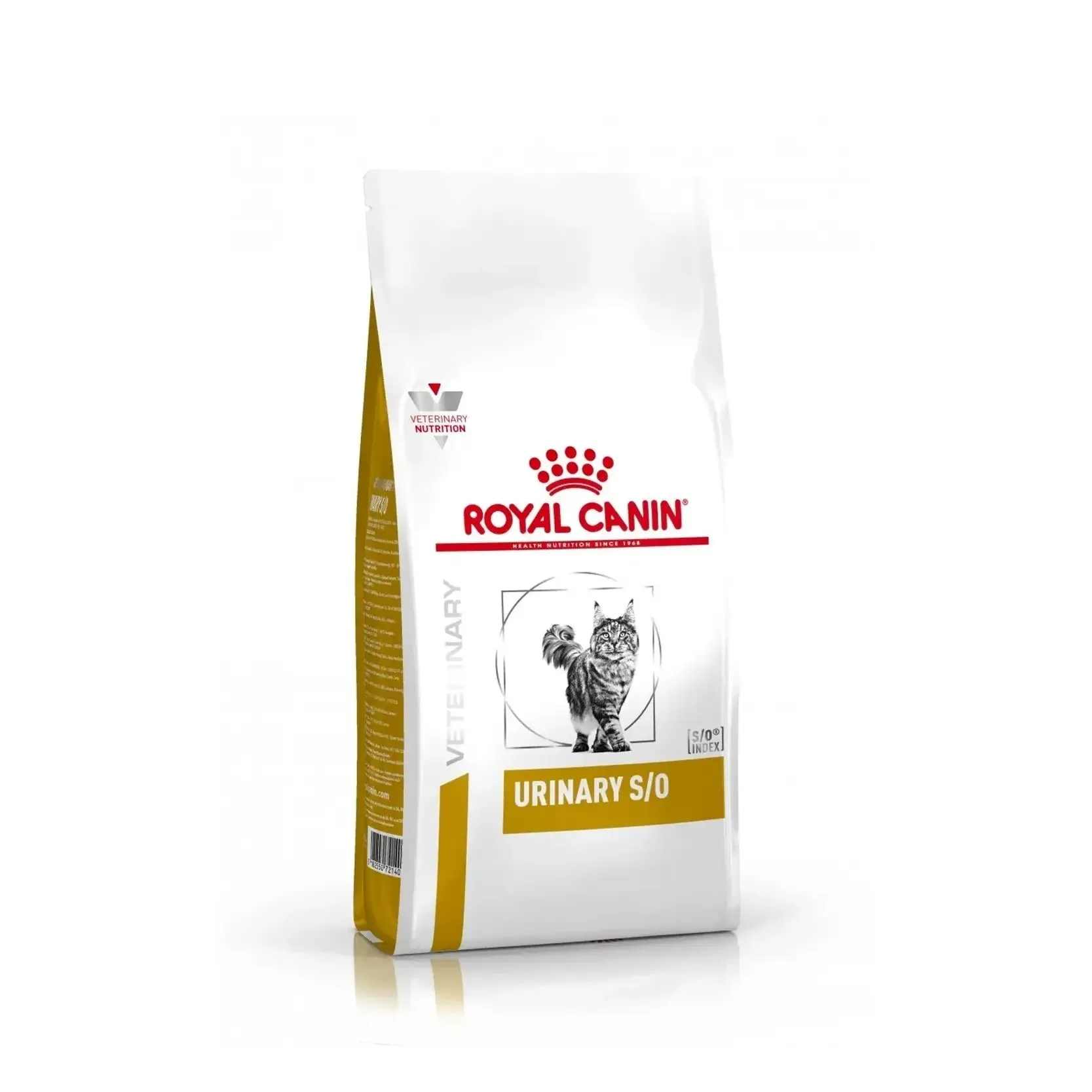
Choosing a therapeutic diet for a cat with urinary disease involves more than reading a label. Most owners want to know how the food performs in real households, across cats with different personalities, histories, and levels of fussiness. This article draws on the patterns that consistently emerge from veterinary clinic feedback, owner communities, and long-term user reports to give a grounded picture of what living with Royal Canin Urinary SO actually looks like.
Who Is Typically Leaving Reviews
Understanding the reviewer population matters before drawing conclusions from any pool of feedback. The majority of owners who seek out or are directed to Royal Canin Urinary SO fall into a few distinct groups, each with different starting expectations and success criteria.
Post-Obstruction Cat Owners
The largest group consists of owners whose male cats have been hospitalized for urethral obstruction. These cats are sent home with a strict dietary prescription, and the owner’s experience with the food begins under high emotional and financial stress. Reviews from this group tend to be detailed and outcome-focused, often tracking whether the cat experienced a recurrence. When the diet prevents a second obstruction, the feedback is strongly positive regardless of palatability challenges encountered along the way.
Cats with Recurring Crystal Diagnoses
A second group includes cats whose urinary crystals were caught through routine urinalysis or diagnostic workup prompted by repeated litter box straining. These owners typically have more time to manage the transition and often report higher palatability success rates, possibly because the urgency of the situation allows for a more careful, gradual food introduction rather than a near-immediate switch in a post-hospitalization setting.
Multi-Cat Households
Owners managing one cat on a therapeutic diet while feeding other cats differently represent a distinct challenge group. Their feedback frequently centers on logistics rather than clinical outcomes, and their overall satisfaction with the formula correlates closely with how easily they can separate feeding time and prevent cross-eating.
What Owners Report After the First Month
The first thirty days on Royal Canin Urinary SO generate the most varied feedback. This is the period when palatability is the dominant variable, and it is where the gap between cats who accept the food readily and those who resist it becomes most visible.
Acceptance Without Difficulty
A meaningful portion of owners report that their cats transitioned onto the dry formula without significant resistance, particularly cats that were already accustomed to dry kibble and not strongly bonded to a specific flavor profile. In these cases, first-month feedback focuses quickly on clinical signs rather than food acceptance, with owners noting reduced straining and absence of blood in urine within two to three weeks of the diet change.
Initial Resistance Followed by Acceptance
The most common pattern in owner reports is initial reluctance that resolves within one to two weeks when the transition is managed gradually. Owners who mixed the new food with the previous diet at a slow ratio, sometimes over ten to fourteen days rather than the standard seven, consistently report better acceptance outcomes. Warming the food slightly or mixing in a small amount of warm water is a frequently mentioned technique that improved uptake in cats that were eating but unenthusiastically.
Persistent Refusal
A subset of owners, more concentrated among cats with strong flavor preferences or previous long-term feeding of strongly aromatic wet food, report that their cats refused the dry formula outright. In most of these cases, the reviewing owner either switched to the Royal Canin Urinary SO wet variant or worked with their veterinarian to find a compatible alternative. Persistent refusal is less a reflection of the formula itself than of individual cat food imprinting, but it represents a real friction point that honest feedback captures.
Clinical Outcomes Reported by Long-Term Users
Beyond palatability, the feedback that carries the most clinical weight comes from owners who have used the formula for six months or longer and have had follow-up urinalysis performed. This cohort provides the most direct indication of whether the diet is achieving its intended purpose.
Reduction in Recurrence Rates
Among owners whose cats had experienced at least one prior obstruction or confirmed crystal episode, the dominant long-term report is the absence of recurrence while on the diet. This aligns with the clinical mechanism: when urine pH and mineral supersaturation are maintained within the target range, the conditions for crystal formation are not met. Owners in this group often describe the food as having given their cat a measurably different quality of life compared to the period before diagnosis.
Improved Litter Box Behavior
Even in cats without a confirmed obstruction history, owners who switched to Urinary SO based on a crystal finding frequently report normalization of litter box behavior. Cats that had been visiting the box frequently with little output, showing discomfort while posturing, or vocalizing during urination are described as returning to normal patterns within weeks of the diet change. These behavioral improvements are among the most tangible and emotionally significant outcomes for owners.
Follow-Up Urinalysis Results
Owners who share follow-up diagnostic results in their feedback report normalized urine pH readings and absence of crystals in urinalysis at the four-to-eight-week recheck in the majority of cases. Some owners note that their veterinarian reduced or discontinued accompanying medication after sustained normal results on the diet alone. These reports represent the clearest evidence that the formula is producing its intended physiological effect in the real-world population, not just in clinical trial conditions.
Common Criticisms and How Owners Handle Them
No therapeutic diet earns uniformly positive feedback, and Royal Canin Urinary SO is no exception. Several recurring criticisms appear across owner communities, and understanding how long-term users navigate them is useful for owners just starting out.
Price Point
The cost of a veterinary diet relative to standard cat food is the most frequently cited negative. Owners managing the formula as a permanent diet, particularly in multi-cat households where only one cat needs it, express concern about the ongoing expense. The most common coping strategy reported is purchasing in larger bag sizes and storing properly to extend shelf life, or sourcing from specialty retailers that offer the formula at a more competitive price than clinic dispensaries.
Limited Flavor Variety
Owners of cats with strong flavor preferences note that the Urinary SO line offers fewer variety options compared to maintenance diets, which can make it harder to maintain interest in cats that quickly tire of a single protein flavor. Several owners report rotating between the dry and wet formats as a practical solution, which has the added benefit of increasing overall moisture intake.
Dry Formula Concerns for Water Intake
Some owners express concern that a dry formula cannot deliver sufficient hydration even with the sodium-stimulated thirst mechanism. This is a legitimate nutritional consideration, and the most consistently recommended owner-level response is adding a pet water fountain alongside the dry diet. Multiple reviewers credit the combination of Urinary SO dry food and a circulating water fountain with maintaining adequate urine dilution in cats that drink poorly from static bowls.
Veterinarian Perspectives Reflected in Owner Feedback
A notable feature of Royal Canin Urinary SO reviews is how frequently owners reference their veterinarian’s guidance as the reason they trust the formula, even when they have encountered palatability difficulties or cost concerns. This pattern reflects the diet’s positioning as a clinically recommended therapeutic product rather than a consumer-selected option.
Owners whose vets scheduled follow-up urinalysis and communicated results clearly report significantly higher satisfaction scores, regardless of whether the first month went smoothly. Transparency about what the diet is achieving in measurable terms appears to be the strongest driver of owner commitment to continuing the formula through initial challenges.
Where to Purchase Royal Canin Urinary SO
Availability through reputable channels is a practical consideration for owners managing a cat on a long-term therapeutic diet. For cat owners in Hong Kong, royal canin urinary so is available through PetDogHK, a local specialist retailer that stocks the dry formula. Sourcing from a licensed retailer ensures product integrity and removes the need to visit a clinic purely for restocking purposes, which owners managing long-term prescriptions identify as a meaningful convenience factor.
Key Takeaways from the Owner Experience
Reading across the full spectrum of feedback on Royal Canin Urinary SO, several consistent conclusions emerge that are worth summarizing for owners in the early stages of managing a cat with urinary disease.
- Palatability challenges in the first two weeks are common and do not predict long-term acceptance; a slower transition schedule resolves most cases.
- Clinical outcomes reported by long-term users align closely with the formula’s stated mechanism, with reduced recurrence and normalized urinalysis being the dominant positive findings.
- Cost and flavor variety are the most legitimate ongoing criticisms, and both can be partially addressed through purchasing strategy and wet-dry rotation.
- Owner satisfaction correlates strongly with veterinary follow-up that confirms the diet is working, not just with absence of visible symptoms.
- Multi-cat households benefit most from establishing a consistent feeding separation routine early, before the logistics become a source of frustration.
The overall picture that emerges from real-world feedback is of a diet that delivers on its clinical promise for most cats, requires some management during the transition period, and earns lasting owner confidence when the veterinary relationship supporting it is communicative and consistent.
Frequently Asked Questions
The following questions reflect the concerns that appear most frequently in owner communities discussing long-term experience with the formula.
My Cat Ate the Food Fine for Three Months and Then Started Refusing It. What Changed?
Sudden refusal after a period of acceptance is usually driven by one of three causes: a recent batch or formula change that altered palatability, a concurrent health issue reducing appetite or causing nausea, or the cat simply developing a preference shift over time. The first step is ruling out an underlying health change with a veterinary visit, since loss of interest in food can be an early sign of an unrelated developing condition. If health is not the issue, transitioning to the wet format or adding warm water to the dry kibble often restores acceptance.
Can I Give Treats While My Cat Is on Urinary SO?
This is one of the most common questions in owner communities, and the standard veterinary guidance is to minimize treats or eliminate them during active management of a urinary condition. Treats that are high in minerals, phosphorus, or ash can disrupt the controlled mineral environment the diet is designed to maintain. If treats are important for bonding or medication delivery, discuss with your veterinarian which options are compatible with the therapeutic diet.
How Do I Know If the Diet Is Actually Working If My Cat Has No Symptoms?
Absence of symptoms is reassuring but not sufficient confirmation that the diet is achieving its clinical goals. The only reliable measure is follow-up urinalysis that confirms urine pH is within the target range and that crystals are absent or reduced. Owners who skip the follow-up recheck because their cat appears well are missing the data point that distinguishes effective management from a cat that is simply not yet symptomatic again. Schedule the follow-up urinalysis as directed by your veterinarian, even when everything looks fine.
Final Thoughts
The body of real-world owner experience with Royal Canin Urinary SO tells a consistent story: most cats whose owners commit to the transition process and maintain veterinary follow-up see the clinical benefits the diet is designed to deliver. The friction points are real but manageable, and the long-term outcomes for cats that tolerate and remain on the diet represent a meaningful improvement in urinary health and overall quality of life. For owners navigating the post-diagnosis period, understanding what others have encountered makes the early challenges easier to push through.