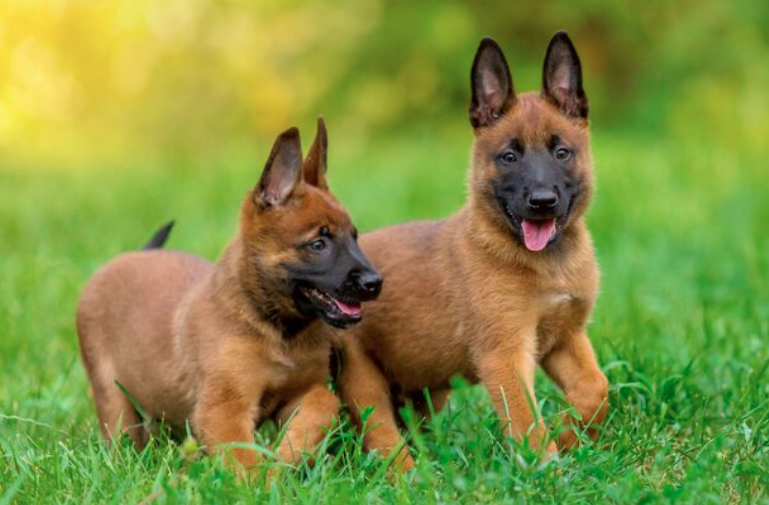
Choosing a German Shepherd puppy requires careful thought about your lifestyle, experience, and future plans. Although working-line and show-line German Shepherds belong to the same breed, their breeding goals can influence their typical characteristics and activity needs. Some owners prefer dogs suited to structured training and demanding activities, while others are more interested in conformation shows and family companionship. Understanding these differences can help you decide whether a working line German Shepherd puppy is the right choice for your household.
1. Different Breeding Goals Can Influence Their Traits
Working line German Shepherds puppies are generally bred with an emphasis on working ability, trainability, stamina, and engagement with their handlers. These qualities can be useful for activities such as tracking, obedience, and other structured training. However, individual dogs differ, and a puppy’s future abilities cannot be guaranteed by its bloodline alone.
Show-line German Shepherds are usually bred with greater emphasis on conformation to a recognized breed standard. Their breeding programs may focus on appearance, movement, temperament, and soundness. This does not mean show-line dogs lack intelligence or working ability. Both types can be active, trainable companions when responsibly bred and appropriately raised.
2. Activity Requirements Should Match Your Routine
A working-line German Shepherd may be a good match for someone who enjoys spending time outdoors and training a dog regularly. Many dogs from working-oriented backgrounds enjoy having tasks to complete, including scent games, obedience exercises, and structured play. These activities can help keep them mentally engaged and provide an outlet for their energy.
Before bringing a puppy home, consider how much time you can realistically dedicate to exercise and interaction. A busy household with limited time for training may struggle to meet the needs of a particularly energetic dog. Show-line German Shepherds also require exercise and mental stimulation, so neither type should be chosen with the expectation of minimal daily care.
3. Training Interests Can Help Guide Your Decision
German Shepherds are known for their learning ability and responsiveness to consistent guidance. Owners interested in dog sports or advanced obedience may enjoy working with a dog whose background emphasizes performance-related qualities. Early training can begin with simple skills, such as recall, name recognition, leash manners, and settling calmly at home.
A working line German Shepherd puppy is not automatically easier to train than a show-line puppy. Success depends on temperament, early experiences, the training methods used, and the relationship between the dog and its owner. Reward-based training helps develop trust and encourages desirable behavior without creating unnecessary fear or stress.
If you want to pursue specialized activities, look for a qualified trainer who understands German Shepherds and prioritizes animal welfare. Advanced training should be introduced gradually and according to the dog’s age and abilities. A structured approach helps owners develop reliable skills while keeping their dogs safe.
4. Both Types Can Become Loyal Family Companions
German Shepherds can form strong bonds with their families and enjoy participating in everyday activities. Their suitability for a household depends on individual temperament, socialization, training, and the owner’s ability to meet their needs. A dog’s breeding background can provide useful context, but it should never be the only factor used to judge its behavior.
Working-line dogs may have higher activity requirements, depending on their bloodlines and individual personalities. Some show-line dogs can also be energetic and enjoy challenging activities. Families should evaluate the specific puppy rather than assuming that all working-line dogs are unsuitable for home life or that all show-line dogs are naturally calm.
Children should always be supervised around dogs, and they should learn to respect a dog’s space, food, and resting area. Gradual socialization can help a puppy become more comfortable with different people, sounds, and environments. These experiences are important regardless of whether the puppy comes from working or show lines.
How to Choose a Responsible German Shepherd Breeder
Once you understand your preferences, research breeders who prioritize health, stable temperament, and responsible puppy care. Ask about the parents’ behavior, breeding goals, pedigree, and relevant health screening. German Shepherds can be affected by inherited conditions, including hip and elbow problems, so request appropriate health documentation rather than relying on verbal claims.
A responsible breeder should explain the puppy’s expected characteristics without promising a specific adult personality or performance level. They should also ask about your home, experience, and plans for exercise and training. These conversations help determine whether the puppy is a suitable match for your lifestyle.
Before making a commitment, review the puppy’s veterinary records and ask how it has been introduced to everyday experiences. Find out what support the breeder provides after the puppy goes home. Taking time to compare breeders can reduce the risk of making a rushed decision based on appearance or popularity.
Final Thoughts
Choosing between working-line and show-line German Shepherds comes down to your goals and the individual dog’s needs. A working line German Shepherd puppies may suit someone who enjoys structured training, outdoor activities, and regular mental challenges. However, show-line dogs can also be intelligent, active, and devoted companions. Focus on health, temperament, breeder quality, and lifestyle compatibility to make a responsible choice that benefits both you and your future dog.
FAQs
What is the difference between a working-line and a show-line German Shepherd?
Working lines generally emphasize working ability and performance traits, while show lines place greater emphasis on conformation to a breed standard.
Are working-line German Shepherds suitable for families?
Yes, some can make excellent family companions when their temperament fits the household and they receive appropriate training and socialization.
Do working-line German Shepherds need more exercise?
Some may have higher activity needs, but exercise requirements depend on the individual dog’s age, health, and temperament.
Can show-line German Shepherds learn advanced commands?
Yes. German Shepherds from either line can learn advanced skills when their abilities, health, and training support those activities.
What should I check before choosing a German Shepherd puppy?
Review health records, parental temperament, breeder practices, early socialization, and the puppy’s expected activity requirements.